Ditapis dengan
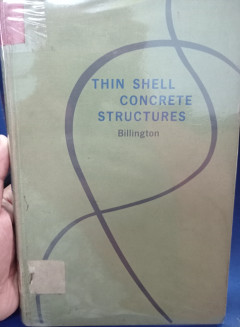
Thin Shell Concrete Structures
index : hlm. 327
- Edisi
- -
- ISBN/ISSN
- -
- Deskripsi Fisik
- viii, 332 hlm : ilus.; 23,5 x 15,5 cm; Hijau
- Judul Seri
- -
- No. Panggil
- 624.177 BIL t
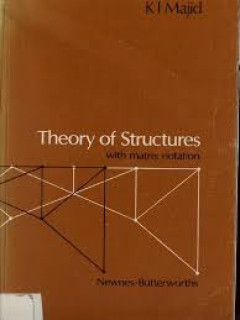
Theory Of Structures, With Matrix Notation
or Matrix Structural Analysis (MSA), is a fundamental systematic procedure in modern engineering for analyzing the behavior of complex structures like beams, frames, and trusses using matrices and linear algebra. This approach replaces traditional, more laborious methods (e.g., classical force or displacement methods) with a unified, efficient computational framework, particularly suited for co…
- Edisi
- -
- ISBN/ISSN
- 0-408-00303-0
- Deskripsi Fisik
- ix, 356 p. : ill. ; 24 cm
- Judul Seri
- -
- No. Panggil
- 624.17 MAJ t
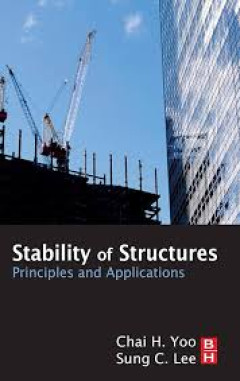
Stability of Structures: Principles and Applications
The current trend of building more streamlined structures has made stability analysis a subject of extreme importance. It is mostly a safety issue because Stability loss could result in an unimaginable catastrophe. Written by two authors with a combined 80 years of professional and academic experience, the objective of Stability of Structures: Principles and Applications is to provide engineers…
- Edisi
- 1st
- ISBN/ISSN
- 0-123-85122-X
- Deskripsi Fisik
- xi, 523 hlm
- Judul Seri
- -
- No. Panggil
- 624.17 CHA s

Steel structures and timber structures : analysis, design and details of stru…
The book is intended for undergraduate and postgraduate civil engineering students and explains the principles for designing steel and timber structures, including their components like tension and compression members, beams, and connections, in accordance with relevant design codes. Target Audience: Civil and Structural Engineering undergraduate and postgraduate students. Subject Matter: An…
- Edisi
- -
- ISBN/ISSN
- -
- Deskripsi Fisik
- ix, 734 p. : ill. ;22 cm.
- Judul Seri
- -
- No. Panggil
- 624.17 VAZ s
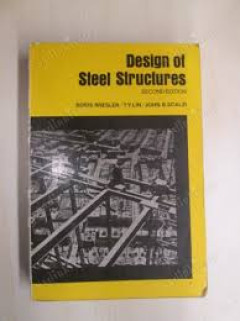
Design of Steel Structures
The course deals with design of steel structures using “Limit State Design Method”. The design methodology is based on the latest Indian Standard Code of Practice for general construction (IS 800:2007). The subject covers all the necessary components such as material specifications, connections and elementary design of structural members for designing industrial steel structures. The course…
- Edisi
- -
- ISBN/ISSN
- -
- Deskripsi Fisik
- xvii, 830 hlm
- Judul Seri
- -
- No. Panggil
- 691 BOR d
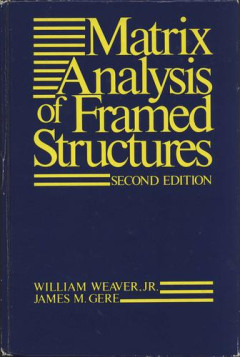
Matrix Analysis of Framed Structures
Analisis matriks struktur sangat penting bagi analis struktur di berbagai disiplin ilmu teknik. Buku ini memberikan tinjauan mendalam tentang metode matriks, khususnya berfokus pada metode kekakuan dan fleksibilitas langsung yang penting untuk memecahkan masalah pada struktur rangka. Materi dan contoh baru disertakan untuk membantu pembelajaran dan penerapan praktis, dan sebuah bab yang memperk…
- Edisi
- -
- ISBN/ISSN
- 0-442-25773-2
- Deskripsi Fisik
- xii, 492 hlm
- Judul Seri
- -
- No. Panggil
- 624.1 WIL m
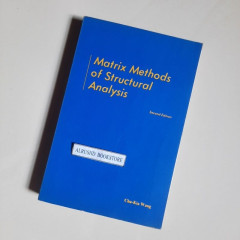
Matrix Methods Of Structural Analysis
use matrices (stiffness, force, deformation) to solve for internal forces, displacements, and support reactions in structures. They are highly systematic and suitable for computer implementation, enabling complex analyses of static and indeterminate structures, as demonstrated by programs like MATLAB and PTC Mathcad. Compared to traditional methods, matrix methods are more efficient for repeate…
- Edisi
- Second edition
- ISBN/ISSN
- 0-895-340-00-3
- Deskripsi Fisik
- xiv, 406 p. : ill. ; 20 cm.
- Judul Seri
- -
- No. Panggil
- 624.17 CHU m
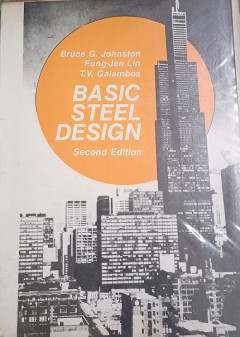
Basic Steel Design
index : hlm. 347
- Edisi
- 2
- ISBN/ISSN
- 0-13-069344-8
- Deskripsi Fisik
- xiii, 352 hlm : ilus.; 21,2 x 15,5 cm; Abu
- Judul Seri
- -
- No. Panggil
- 624.182 JOH b
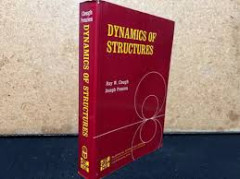
Dynamics Of Structures
Dynamics of structures is conceived as a textbook for courses in civil engineering. It includes many topics in the theory of structural dynamics, and applications of this theory to earthquake analysis, response, design, and evaluation of structures. No prior knowledge of structural dynamics is assumed in order to make this book suitable for the reader learning the subject for the first time. T…
- Edisi
- -
- ISBN/ISSN
- 0-07-011392-0
- Deskripsi Fisik
- xxii, 634 p. : il.; 21 cm
- Judul Seri
- -
- No. Panggil
- 624,1 RAY d
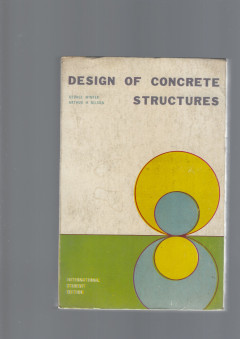
Design of Concrete Structures
a summary of the design of reinforced concrete structures, which involves ensuring the structure is safe, durable, and serviceable by considering loads and environmental influences
- Edisi
- -
- ISBN/ISSN
- 0-07-046561-4
- Deskripsi Fisik
- xii, 730 p. : ill.; 23 cm.
- Judul Seri
- -
- No. Panggil
- 624.18 GEO d
 Karya Umum
  Filsafat
  Agama
Agama  Ilmu-ilmu Sosial
  Bahasa
  Ilmu-ilmu Murni
  Ilmu-ilmu Terapan
  Kesenian, Hiburan, dan Olahraga
  Kesusastraan
  Geografi dan Sejarah